
Zduńska Wola: Discover the City Park and Industrial History
Accommodation in Zduńska Wola
Zduńska Wola combines a large green space in the heart of the city with traces of its industrial history. Museums, a restored weaver’s house and a tour of former factory buildings offer different perspectives. When planning your trip, you can therefore decide whether you are more interested in the city’s history and collections, or whether you would also like to make time for the park.
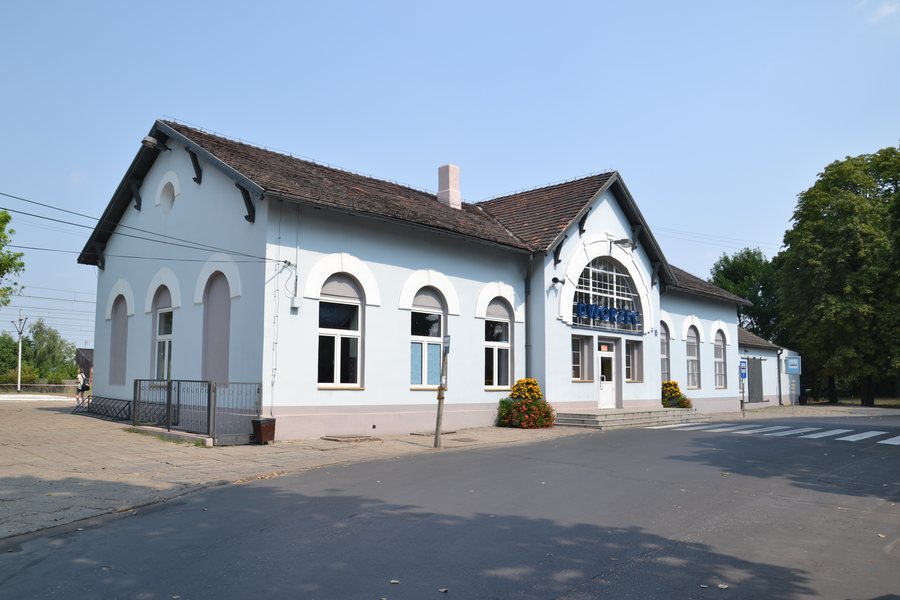
Green Space in the Heart of the City
Park Miejski is a green space of almost nine hectares in the heart of Zduńska Wola. Its history dates back to the turn of the 20th century, when it was created as the private garden of Zenon Anstadt. Alongside the city’s industrial themes, it offers a distinctly different aspect: a central green space with a history of its own.
The park can be considered a destination in its own right when exploring Zduńska Wola. Its size and central location distinguish it from places focused on factories, crafts and collections. If you want to include both green spaces and history in your city visit, it offers a useful point of reference for planning your time.
Traces of Industrial History
The Szlak Fabryczny leads to twelve buildings that housed the city’s largest factories. Information boards mark the buildings. The route’s name and the boards give the former factories a concrete context: rather than treating industrial history as a general topic, you can explore it through individual buildings.
Individual sites also represent the industrial past. Manufaktura Złotnickiego is one of the oldest manufactories in Zduńska Wola and is associated with the industrial activity of Stefan Złotnicki, the city’s founder. Fabryka Józefa Sznajdra, in turn, was founded by Oskar Sznajder in 1893 and was initially a small cotton weaving mill.
Museums and City History
Muzeum Historii Miasta Zduńska Wola mainly collects archival materials on the city’s industrial and craft development in the 19th century. It also holds more than 10,000 exhibits. If you want to know what the collection focuses on, its archival emphasis and the number of exhibits offer a helpful guide. The museum draws attention to the city’s history, while the Szlak Fabryczny, with its twelve marked buildings, focuses on former factory sites.
Muzeum Dom Urodzenia św. Maksymiliana Kolbego offers a different historical and religious perspective. It is located in the house where Maksymilian Kolbe was born; the building is a restored weaver’s house. The exhibition is spread across five rooms. The site thus connects the history of a single house with a clearly defined museum visit. If you organize your time in Zduńska Wola by theme, you can distinguish this focus from the collections on industrial and craft development.
Check Opening Times
Skansen Lokomotyw in Zduńska Wola Karsznice is closed to visitors on Mondays and Saturdays. It is open from 11:00 a.m. to 3:00 p.m. on Tuesdays through Fridays and Sundays. These opening times were listed on September 7, 2026; check them again before your trip. This will help you take the visit into account when planning, without treating it as the same kind of attraction as the city’s other cultural and historical sites.
To decide whether Zduńska Wola is right for your trip, consider the specific interests it caters to: the central green space, the history of former factories, or the museums’ different areas of focus. You can then look for a hotel in the city that suits your travel plans.
For the broader travel overview: Zduńska.

_Lichen99.jpg)