
Discover Grojec: Hilltop Views and Cultural Heritage
Accommodation in Grojec
Grojec brings together a hilly landscape, archaeological traces, and cultural sites. Sweeping views define the surroundings; the silhouettes of the Beskid Mały are among the visible features of the landscape. At the same time, places such as Góra Grojecka and St. Lawrence Parish Church tell different chapters of history. Those considering Grojec for a trip to Poland can explore nature and cultural heritage as two distinct highlights.
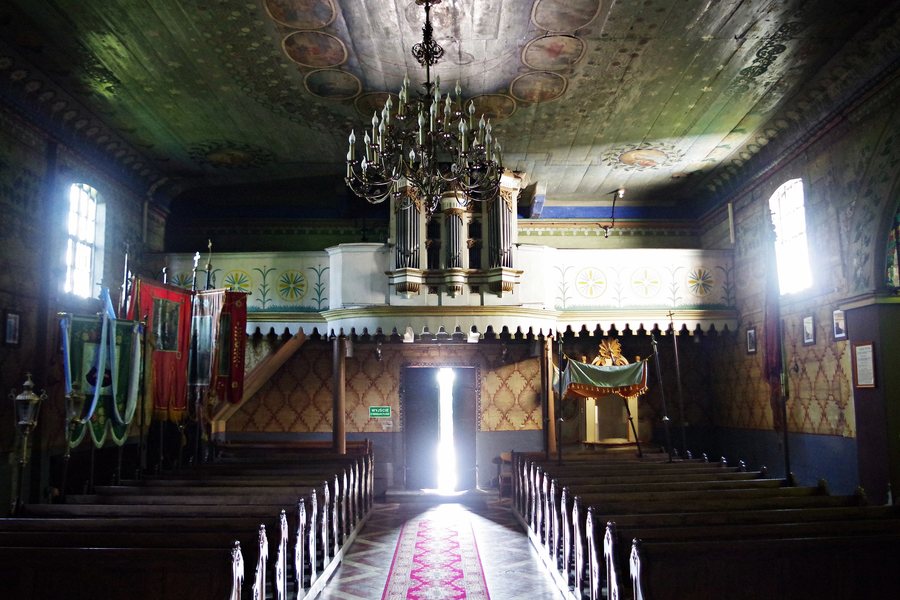 File:Grojec, Kościół św. Wawrzyńca w Grojcu ^.jpg
Photo: Jacek Daczyński via Wikimedia Commons, CC BY-SA 4.0
File:Grojec, Kościół św. Wawrzyńca w Grojcu ^.jpg
Photo: Jacek Daczyński via Wikimedia Commons, CC BY-SA 4.0
Hilltop Views and Beskid Mały
The hilly surroundings of Grojec offer sweeping views and panoramas. The silhouettes of the Beskid Mały can also be seen from there. This is a striking impression of the landscape that sets Grojec apart from the museums and historical sites described below in the wider destination. When planning your trip, you can distinguish between these two perspectives: here, Grojec is associated with its views and local history, while other offerings in the destination add their own excursions and cultural themes.
Archaeology, Wooden Architecture, and Cultural Traces
A Neolithic settlement of the Lengyel culture lies on Góra Grojecka. Góra Grojecka is 270.3 metres above sea level. Traces of a Lusatian culture rampart are also found at the summit. These two archaeological findings belong to different cultures and make Góra Grojecka an important reference point for the early history of the area.
St. Lawrence Parish Church in Grojec also has a place in regional cultural history: it is one of the sites on the Wooden Architecture Route. In the castle and park complex, the historic park is the subject of a development and restoration project; it is also entered in the register of monuments of the Małopolska Voivodeship.
Grojec and Łazy have hosted national and international plein-air painting events. Another local collection can be found at the Skansen Pszczelarski open-air beekeeping museum in Grojec. It includes more than 70 exhibits, among them beekeeping equipment dating from the early 20th century onwards. Together, these places offer different ways to explore cultural history: archaeological traces, architecture, plein-air painting, and the history of beekeeping.
More Experiences in the Wider Auschwitz Destination
The Auschwitz I and Auschwitz II-Birkenau camps are also part of the wider Auschwitz destination. The grounds and buildings are open to visitors; a standard guided tour lasts about three and a half hours. The remains of the camps are inscribed on the World Heritage List. If you plan a visit, check the latest visitor information and tour times in advance.
In Oświęcim, a variety of cultural offerings add to the historical perspective. Muzeum Zamek presents the city’s history through a permanent exhibition, themed temporary exhibitions, and events. The Jewish Museum opens the Chewra Lomdei Misznajot Synagogue to visitors and runs educational programs about Oświęcim’s Jewish community. You can choose between an exhibition, a site of Jewish history, and the castle with its permanent exhibition without confusing these offerings with the attractions in Grojec.
For a different kind of visit, Park Bulwary offers a recreational space along the Soła. It is right next to Oświęcim’s market square and castle. The Szlak Murali leads to a collection of monumental murals on buildings in various parts of the city. Those more interested in nature than urban scenery can also visit Żaki in the wider destination: this 17.52-hectare forest nature reserve is near Stawy Monowskie in the Dwory Drugie district. Each of these offerings has its own focus and is not located in Grojec.
Getting There and Choosing a Search Location
Oświęcim is an important railway hub with access to InterCity and EuroCity services. Check the latest timetables for your trip. When searching for accommodation, it helps to decide on the focus of your trip first: the landscape and cultural heritage in Grojec, or the museums, historical sites, and city experiences in the wider Auschwitz destination. This lets you consider Grojec as a destination in its own right while also placing other offerings in the context of the wider destination.
More Places in the Same Destination
Skidzin, Łęki, Zator, Bielany, Jawiszowice, Kęty, Nowa Wieś, and Brzeszcze are also places in the same wider destination: Skidzin, Łęki, Zator, Bielany, Jawiszowice, Kęty, Nowa Wieś, Brzeszcze.
Back to the wider travel overview: Auschwitz.

