
Sławno: Churches, City Gates and the Way of St. James
Accommodation in Sławno
Several distinct themes come together in Sławno: churches built in different periods, freestanding historic city gates, and routes for cycling and walking. The railway station and tourist information centre also provide practical points of reference. This makes it possible to explore the town through its architectural history and the routes described, without combining the individual sights into a single tour.
Churches and historic city gates
The Church of St. Mary is the largest building in Sławno. Duchess Zofia, the wife of Barnim IV, founded the church; its construction is dated to 1326–1364. It therefore represents a long-standing architectural history. The parish church of St. Anthony of Padua offers a different point of reference in time: it was built in the Neo-Gothic style from 1925 to 1928. Those interested in religious architecture can thus take in two churches built in periods far apart, rather than treating them as similar buildings.
The freestanding gates are also distinguished by their different dates and locations. The Brama Koszalińska is first mentioned in 1453. It stands on Jedności-Narodowej Street, near Basztowa Street, in the southern part of the historic town. The Brama Słupska is first documented in 1458. It is located at the intersection of Basztowa and Skłodowskiej, north of the market square and near the bridge over the Moszczenica. The two gates thus provide distinct points of reference for finding your way around: they differ not only in their first recorded mentions but also in their locations within the town.
Cycling routes and the Way of St. James
Almost three kilometres of cycling paths encircle Sławno. The route described runs from Kościelna Street, past the municipal grammar school and stadium, along Kąpielowa Street to the Park of the Polish Military Organisation. Its length and this sequence of streets and landmarks give cyclists a concrete idea of how the route runs through the town. When using a route description for planning, you can use the named streets and the park as points of reference.
For travellers also interested in walking routes, the Pomorska Droga św. Jakuba is another point of reference: it passes through Sławno. This brings different types of routes into view—a described cycling route with specific street sections, and a Way of St. James whose connection to the town is defined by its course.
Railway station and tourist information
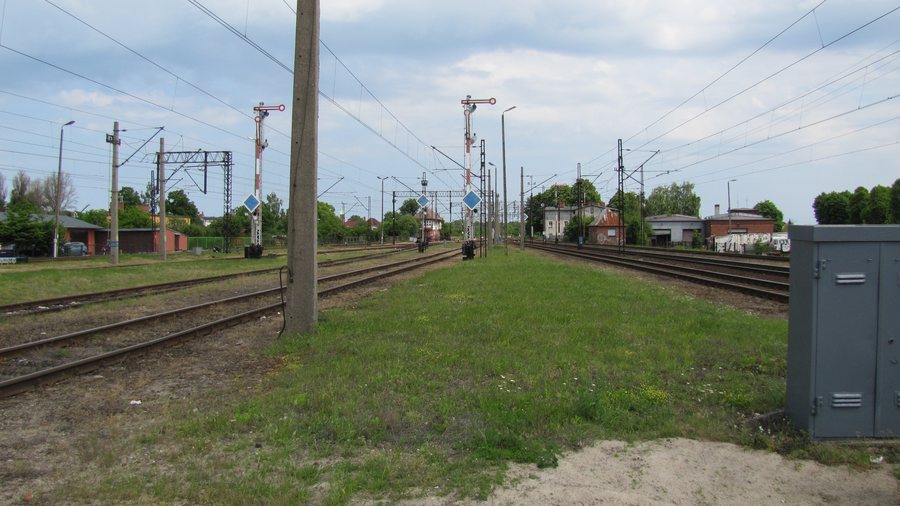
Sławno railway station was built in the 1860s in the western part of the town. Its construction period places it within the town’s transport history. The Sławno Regional Tourist Information Centre is also located inside the PKP railway station building. There, you can get information about accommodation and dining.
Festival and regional history
The International Festival of Brass Bands is among the events with national reach associated with the town’s cultural heritage. It is described as an event held annually on fixed dates; the dates and programmes of individual editions may vary. A look back at its history: in 2022, the festival was held for the 52nd time, and its history dates back to 10 June 1969. These details distinguish its long-standing tradition from any particular edition. If the festival is important to your travel plans, check the dates for the relevant edition.
Another link to regional history is the museum room in Sławno’s cultural centre. It was established on the initiative of Joanna and Zbigniew Kluszczyński to promote regional history and commemorate 700 years of town rights for Sławno. Its documented purpose connects the town’s history with the anniversary of its town rights. Together with the churches, gates and railway station, this initiative shows that Sławno can be explored not only through its buildings but also through its explicitly commemorative references.
Discover more destinations
Discover more destinations: Ostrowiec, Dabki K Koszalina, Żukowo, Pieszcz, Staniewice, Cisowo, Noskowo, Rusinowo.
Back to the main travel overview: Sławno.

