
Mrzygłód between the Icon Trail and the history of pottery
Accommodation in Mrzygłód
Mrzygłód can be explored through three distinct themes: a marked hiking route, the history of the parish church and a pottery tradition that lasted until the mid-20th century. Each offers a different focus: walking, architectural history and craftsmanship. When planning your trip, you can decide whether you would rather connect the town with a route through Mrzygłód, its church history or its former local craft tradition.
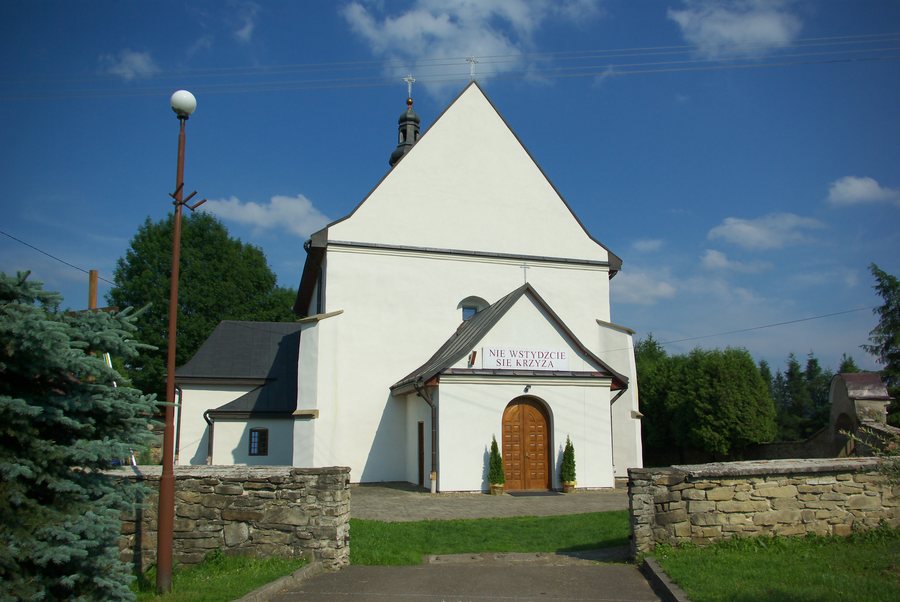 File:The Mission of the Saint Apostles church in Mrzygłód 1.jpg
Photo: Lowdown via Wikimedia Commons, CC BY-SA 3.0
File:The Mission of the Saint Apostles church in Mrzygłód 1.jpg
Photo: Lowdown via Wikimedia Commons, CC BY-SA 3.0
The Icon Trail passes through Mrzygłód
The blue-marked Szlak Ikon (Icon Trail) footpath passes through Mrzygłód. If you enjoy getting around on foot when you travel, this route gives you a specific point of reference when choosing where to go. Check the local conditions before setting out. This allows you to treat the hike as a separate part of your plans and adapt it to the situation on the day of your visit. The trail offers an active way to experience the town, while the church and pottery offer historical perspectives. You can keep these different perspectives distinct when planning, rather than treating them as a single reason to visit.
The history of the parish church
The parish church of the Sending of the Apostles (Rozesłania Apostołów) in Mrzygłód was built in the 15th century, probably in 1424. It was destroyed by the Tatars in 1624. Around two centuries separate its presumed construction from its destruction. This distinction matters when establishing the chronology: 1424 is a probable date, while 1624 is given as the year of destruction.
A vanished pottery tradition
Mrzygłód was known for its pottery in the 17th century. The pottery tradition continued there until the mid-20th century, but has since disappeared. Its history therefore spans several centuries and ends at a different time from the destruction of the parish church. For choosing a theme, this means that the pottery tells the story of a craft that once shaped the town, not a pottery offering available today. If you are interested in the history of local work and traditions, this aspect adds a different perspective to the architectural history.
Which focus suits your trip?
The three themes appeal to different interests. The Icon Trail is a specific point of reference for travelers who want to include a marked hiking route in their plans; the church and pottery tradition invite you to explore Mrzygłód through its history. The historical reference points also differ in time: the church was probably built in the 15th century and destroyed in 1624, while the pottery tradition continued until the mid-20th century. This can help you decide whether walking, architectural history or craftsmanship is the main factor in your choice. Check the footpath markings locally before setting out.
Discover more destinations
Discover more destinations: Mokre, Komańcza, Rzepędź, Pastwiska, Sanok, Dębna, Łukowe, Bukowsko.
Return to the main travel overview: Sanok.

