
Pilica: Town History, Church Complex and Bastions
Accommodation in Pilica
Pilica brings together several periods of history and a range of travel interests: a historic town layout, a church complex, a panorama, a marked route and a memorial site. If you are looking for accommodation in Pilica, these themes can help you decide whether town history, scenic views, hiking or places of remembrance best suit your trip.
A town layout with a history
Pilica’s well-preserved historic town layout dates back to the town’s founding in the second half of the 14th century. This means that the town’s development is reflected not only in individual buildings but in the layout of the town itself. For choosing what to see on your trip, this offers a different perspective from focusing on a single monument: the urban form and its historical context become the subject. Anyone interested in town history beyond individual buildings can make the town layout a focus of their visit.
A church complex spanning several periods
The parish church complex comprises a church from the 14th century, a bell tower from the first quarter of the 19th century, and an enclosure from the 18th century. The church is dedicated to Saints John the Baptist and John the Evangelist. The dates show that this complex brings together structures from different periods. The church complex can therefore be considered as a subject in its own right alongside the historic town layout: the church, its dedication and its associated structures take centre stage. If sacred architecture is a factor in your choice, the dedication offers a further specific point of interest.
Castle and park complex: distinguish between what is accessible
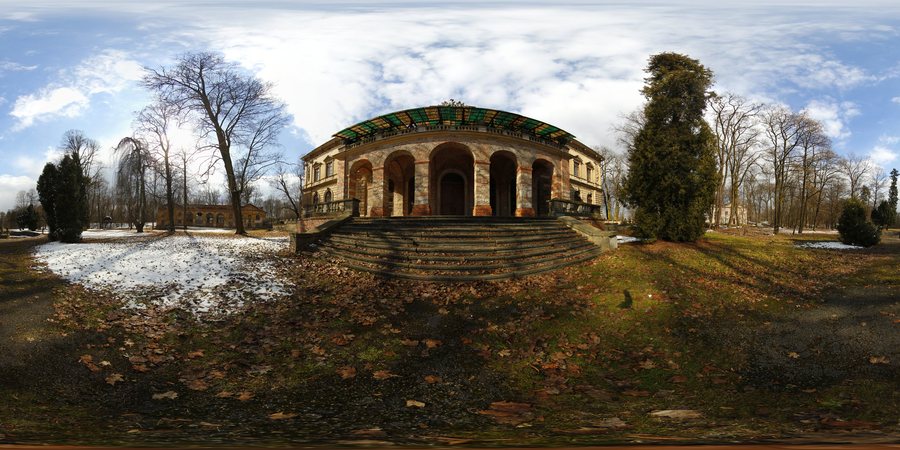
The castle and park complex comprises a historic park, bastion fortifications, a palace and outbuildings. The park and palace are not open to visitors, but the surviving bastion fortifications can be admired. Check the current conditions before your visit. When planning, it is important not to treat all the different parts as a single sightseeing destination: you may be interested in the bastions, while the park and palace are not open to visitors.
Panorama and marked route
On Wzgórze św. Piotra (St Peter’s Hill) stand a historic wooden bell tower and a panoramic viewpoint. The hill combines a landmark structure with a view of the surrounding landscape, offering a different perspective from the historic complexes within the town. The red Szlak Orlich Gniazd (Trail of the Eagle’s Nests) passes through Pilica on its route from Kraków to Częstochowa. Unlike a single viewpoint, the route places the town within a named connection between two cities. If hiking is among your travel interests, this provides a specific route to consider when planning; the hill offers a panorama and a glimpse of local heritage.
A memorial site in the market square
A memorial stone with a plaque in Pilica’s market square commemorates Nazi terror during the Second World War. This site offers a different historical perspective from the town layout, church and fortifications: it is dedicated to remembrance of the Nazi era, rather than to interpreting building periods. When exploring Pilica by theme, you can thus distinguish deliberately between built heritage and remembrance. Its location in the market square places the memorial site within the townscape.
Discover more destinations: Morsko, Łazy, Podzamcze, Gulzów, Irządze, Podleśna, Zdów, Zawiercie.
Back to the main travel overview: Zawiercie.

