
Lędziny – marked trails and churches
Accommodation in Lędziny
Lędziny offers two differently named, color-marked trails and several specific points of connection to the town’s history. The green-marked Szlak Krawędziowy GOP and the blue-marked Szlak Hołdunowski pass through different parts of the town. Churches and a chapel add architectural and commemorative history to the trail perspective. If you are looking for accommodation in Lędziny, these themes can help you match the character of the place to your own travel interests.
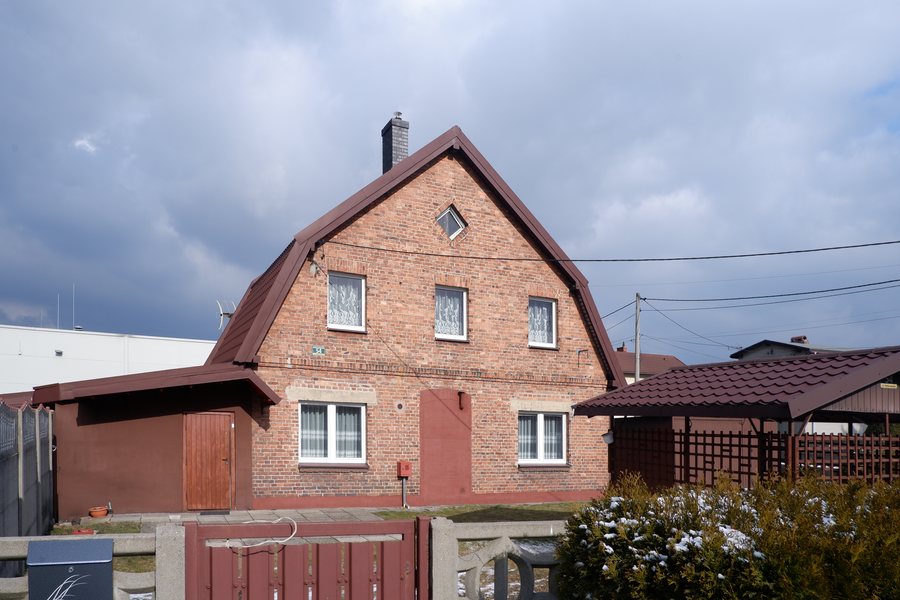 File:Lędziny, Hołdunów, Hołdunowska 54.jpg
Photo: Kamil Czaiński via Wikimedia Commons, CC BY-SA 4.0
Marked trails with distinct local connections
The green-marked Szlak Krawędziowy GOP passes through the Lędziny district and by St. Anne’s Church. The blue-marked Szlak Hołdunowski is associated with Hołdunów, Gajowa Street, and the Church of the Holy Trinity: the trail passes through Hołdunów along this street and by the church.
The two descriptions therefore highlight different points of interest: the Szlak Krawędziowy GOP connects the Lędziny district with St. Anne’s, while the Szlak Hołdunowski connects Hołdunów with Gajowa Street and the Church of the Holy Trinity. This makes it easier to choose a theme without combining the trails into a single route. If you are interested in one of the marked trails, you can consider which of the named churches and local points of interest you would like to include in your plans.
Churches and traces of history
St. Clement’s Church in Lędziny was built between 1769 and 1772. An image of the church was incorporated into the town’s coat of arms. This offers two distinct connections to local history: its date of construction and its significance as a motif in the coat of arms. Those interested in historic churches will find a clearly dated connection to Lędziny here.
Hołdunów also has its own historical connection: a cemetery chapel with a shingled roof stands in the Protestant cemetery. It dates from the 18th century. Johann Christian Ruberg, the inventor of the zinc-smelting process described as “Silesian,” was buried there in 1807. The chapel and the grave connect two distinct themes at a named cemetery: the design of a historic religious building and the commemoration of a person associated with a zinc-processing method.
How your interests can shape your choice of destination
To decide whether Lędziny is right for your trip, you can consider the themes described separately. The trails offer named local and church connections, while St. Clement’s Church, the chapel in Hołdunów, and Ruberg’s burial place offer other ways to explore the area’s history. These are different areas of interest, not a suggested shared sightseeing itinerary.
If you mainly want to include marked trails in your travel plans, the details of each route can help you decide. If historic buildings or local history are more important to you, the churches and chapel mentioned here offer specific topics to explore. This lets you tailor your search for a hotel in Lędziny to the interests that matter to your trip, without attributing unsupported features to individual accommodations.
Discover more destinations: Bieruń.
For the broader travel overview: Bieruń-Lędziny.

