
Puzdrowo: Nature and Culture
Accommodation in Puzdrowo
There are two distinct ways to explore Puzdrowo: nature and physics phenomena in an open-air setting, and tangible traces of local history and the cultural history associated with Bernard Sychta. This means the place can be understood through more than just one point of interest. When planning a trip, you can consider whether your interests lie more in observing nature, historic buildings, or language and biography.
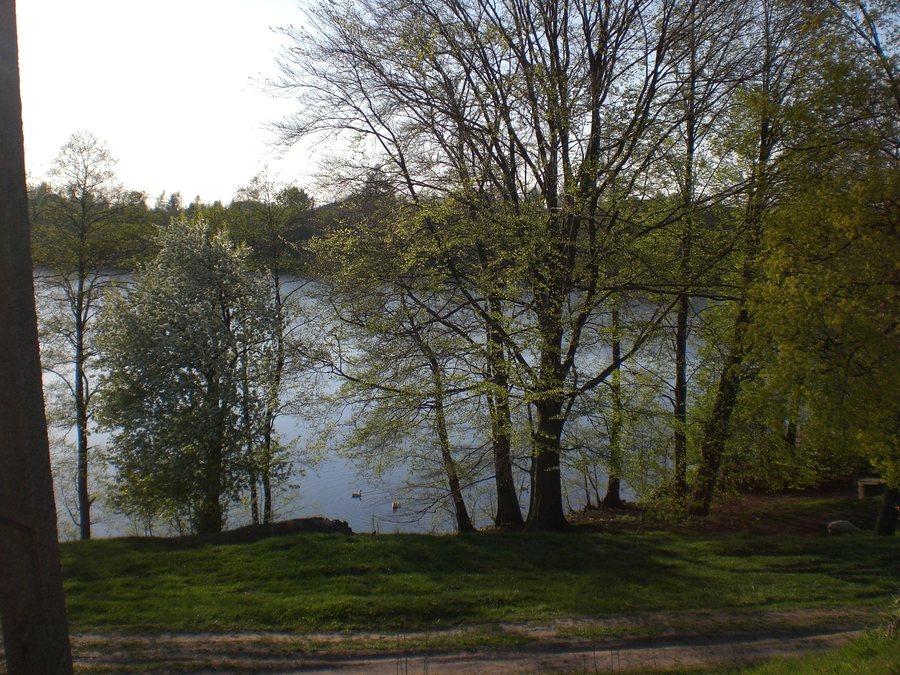
Natural sciences in an open-air setting
The “Praw Natury Park” in Puzdrowo is a place for scientific experiments and observing natural and physical phenomena outdoors in a green space. Its focus on nature and physics is stated explicitly. Its target groups include, above all, schoolchildren and young people from the Sierakowice municipality, as well as tourists. This offers a concrete guide for planning a trip, particularly if nature observation and scientific questions are part of your preferred itinerary. Families can consider whether this educational and observational focus suits the interests of their group.
Residential houses, a wayside shrine, and traces of time
At Puzdrowo 32 stands a residential house that formerly served as a school and dates from the first quarter of the 20th century. Another residential house stands at Puzdrowo 52; its former house number was 26, and the building dates from 1915. The year 1915 falls within the first quarter of the 20th century, the period given for house no. 32; the wayside shrine with a figure of Mary in Puzdrowo, dating from 1927, marks a later point in time. The former house number 26 belongs to the house at the address Puzdrowo 52 and should not be confused with its current address. These details offer different ways into local history: former use, historical numbering, building dates, and religious remembrance.
Bernard Sychta: Biography and language
Another cultural thread leads to Bernard Sychta, who was born in Puzdrowo. The house where he was born and grew up is in Puzdrowo; a memorial obelisk was erected in front of his birth house in 1992. Among other works, Sychta wrote “Słownik gwar kaszubskich na tle kultury ludowej” (“Dictionary of Kashubian Dialects against the Background of Folk Culture”). The title brings together two subjects: Kashubian dialects and folk culture. Puzdrowo can therefore also be understood through a specific biography and a work of linguistic and cultural significance.
Understanding Puzdrowo through its themes
When choosing a place to stay, you can weigh these interests differently: the park offers opportunities to observe natural phenomena; the residential houses and wayside shrine shed light on architectural and local history; Sychta adds a biographical and linguistic perspective. This comparison can help you decide whether nature or local and cultural history should play a greater role in your travel plans.
Another place page
You can also visit the page about Gowidlino.
For the broader travel overview: Kartuzy.
More destinations
More places in the same destination:

