
Discover Pruszków: Parks, History and Culture
Accommodation in Pruszków
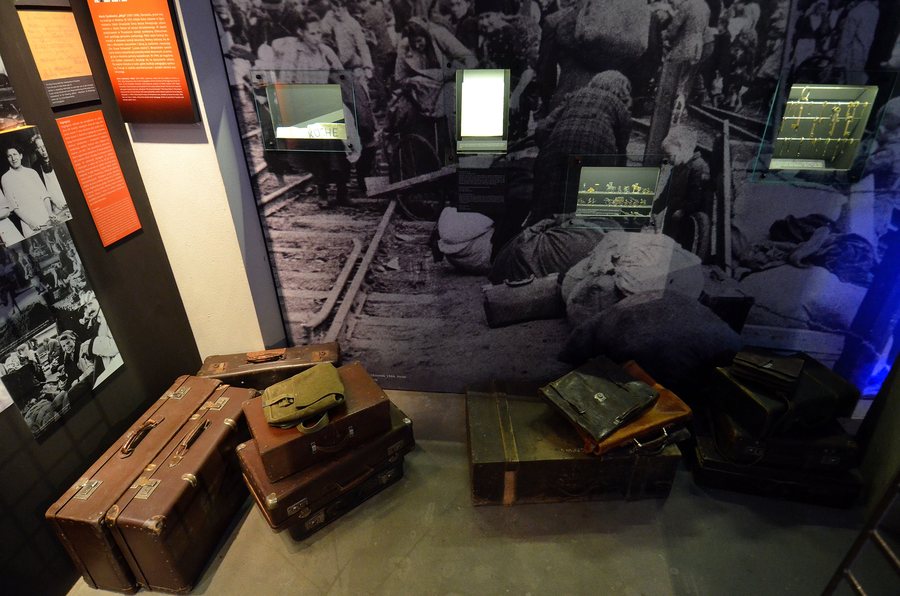
Pruszków brings together historic parks, waterscapes and a museum with a distinctive focus on commemorating the past. In Park Potulickich, you’ll find ponds, canals and information about local wildlife and plants. Park Kościuszki adds an architectural highlight with the Pałacyk “Sokoła”; a playground adds to what the park has to offer. At Muzeum Dulag 121, personal accounts and testimonies about the camp’s history take centre stage. When choosing what to visit, you can decide whether you’re most interested in park landscapes, architectural history or museum exhibits.
Waterscapes and Nature in Park Potulickich
The water system in Park Potulickich covers about 8.5 hectares. Four ponds, water basins and connecting canals shape this designed landscape. Alongside them, a former channel of the Utrata and wet reed and sedge beds provide natural habitats and nesting sites for animals, especially birds. Water features and natural areas thus sit side by side in the same park, while retaining their distinct character.
Double-sided information boards provide details about the park’s wildlife and plants as you walk through its historic grounds. This makes the route interesting for travellers who want to do more than see the parks during their stay and learn about their natural surroundings as well. The Potulicki Palace and Park complex is also the oldest spatial element of present-day Pruszków. Landscape and urban history come together here in a named historic ensemble.
Architecture and Family Activities
The historic Pałacyk “Sokoła” stands in Park Kościuszki. The building was constructed in 1867 in the Neo-Renaissance style and is listed as a historic monument. Its history can therefore be identified through specific features: its year of construction, style and protected status. The same park also has a playground for different age groups. If this is an important part of your plans, check the facility’s condition before your visit.
Exhibition at Muzeum Dulag 121
The exhibition at Muzeum Dulag 121 focuses on accounts from former prisoners and from people who helped them in the camp. Historic photographs, letters, documents, authentic memorabilia and objects from daily life in the camp complement these accounts. Personal voices are presented alongside written and visual testimony. Those interested in this history will find a different cultural focus here than at the parks and their architecture.
A Run and a Recurring Festival
A five-kilometre run takes place every Saturday in Park Potulickich. Participation is free; advance registration and bringing a printed copy of your individual participation code are required. Check the current arrangements before your visit. For cultural plans, the Pruszkowski Festiwal Archeologiczny ARTEfakty is also worth considering: this recurring event was first held in 2016. Check the event dates before travelling so your stay fits your plans.
Nature Experiences in the Wider Pruszkowski Destination
The wider Pruszkowski destination also includes the Utrata nature trail, which is suitable for pedestrians and cyclists. Its facilities include interactive educational stations, bird nesting boxes, insect houses, a dendrophone, a free-to-use observation telescope and wooden boardwalks by the ponds. The trail offers a different nature experience from a walk in Park Potulickich, focusing on educational stations and observation features. If you’re exploring the wider Pruszkowski destination, the trail adds another way to combine nature and learning with local parks and museums.
Discover more destinations: Komorów, Wola Krakowiańska, Brwinów, Walendów, Janki, Pęcice Małe, Nadarzyn, Rusiec.
Go to the overview of the wider destination: Pruszkowski.

