
Discover Grójec: Apple Tradition and Culture
Accommodation in Grójec
Grójec brings together a long tradition of apple growing, art in public spaces, church history and traces of the narrow-gauge railway. If you would like to plan your trip around specific cultural themes, there are several points of interest to choose from: a long-running event, a large-scale pencil mural and memorials to Piotr Skarga. The wider Grójec travel area also offers further regional and historical connections.
 File:Cmentarz ewangelicki XIX Grójec ulica Mogielnicka 12.JPG
Photo: Wojciech Domagała via Wikimedia Commons, CC BY-SA 3.0 pl
File:Cmentarz ewangelicki XIX Grójec ulica Mogielnicka 12.JPG
Photo: Wojciech Domagała via Wikimedia Commons, CC BY-SA 3.0 pl
Apple Tradition and Święto Kwitnących Jabłoni
Święto Kwitnących Jabłoni has been celebrated since 1959. In recent years, part of the event has taken place in Grójec's market square, and another part in the market square in Kobylin. The two event locations mentioned are therefore not in the same square. If you are planning your trip around the festival, check the dates and venue for your travel period.
The region's apples are also represented through their product history. In the wider Grójec travel area, the protected geographical indication “jabłka grójeckie” covers 27 apple varieties; it was entered in the EU register in 2011. Grójec apples were also added to the Polish Ministry of Agriculture and Rural Development's list of traditional products in 2008. The recognitions range from the EU's protected geographical indication to Poland's list of traditional products.
Art and Church History in Grójec
Sebastian Krawczak's pencil mural “Panorama Grójca 1867” covers an area of 85 m². Its name, technique and size give the work a distinct profile: it is a large-scale image drawn in pencil. It can be viewed alongside the historical landmarks around St. Nicholas Church as part of an exploration of art and the city's history.
A monument to Piotr Skarga stands on the grounds of St. Nicholas Church. Inside the church is a baptismal font dated to 1482, at which Skarga was baptised. A wooden bell tower dating from 1889 also stands beside the church. These three details connect one name with different landmarks: a monument, a baptismal font and a bell tower. They offer a way to explore one of the trip's cultural highlights through specific people, dates and places.
The Narrow-Gauge Railway and Regional Places of Remembrance
The former station of the Grójecka Kolej Dojazdowa in Grójec was restored in 2024–2025 and converted into a branch of the Grójecki Ośrodek Kultury, with cultural and leisure facilities. The history of the narrow-gauge railway is therefore also part of the local story. The station's transformation into a cultural venue is a distinct aspect alongside the older church landmarks.
For route planning in the wider Grójec travel area, the black Szlak do Grójca is another specific point of reference: it connects Jeziorka, Grójec and Kośmin over 17 km and serves as a connecting route to the Modrzewina nature reserve.
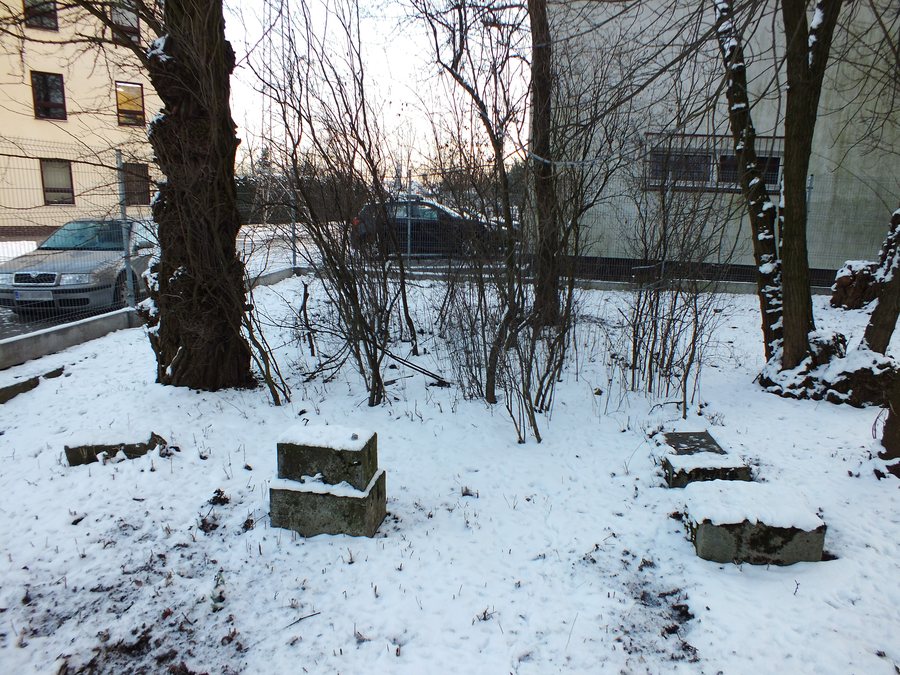
The Jewish cemetery is also part of Grójec's historical landscape; fragments of gravestones and a monument to the Jews murdered during the Second World War are preserved there. Together with the church landmarks and railway history, it offers a different perspective on the region's past. When choosing accommodation for your stay, you can therefore tailor your search to the themes that interest you—such as the festival, art and church history, or a route taking in the places mentioned.
Discover more destinations: Michalczew, Chynowie, Borowe, Warka, Nowe Miasto nad Pilicą, Lesznowola, Wola Kukalska, Budki Petrykowskie.
View the wider travel guide: Grójec.

