
Niedrzwica Duża: Cycling route and historic traces
Accommodation in Niedrzwica Duża
Niedrzwica Duża offers several different points of interest to help you plan your trip: the GREENWAYS cycling route, the Dłuski manor house and park complex, and the culinary tradition of the Niedrzwicka region. A railway station building from the interwar period adds a historical perspective. If you are looking for a hotel in Niedrzwica Duża, you can first consider which of these themes suits your trip: cycling, historic architectural and parkland remains, 20th-century architecture, or regional cuisine. This allows you to consider the town’s features according to different interests, rather than combining them into a single travel theme.
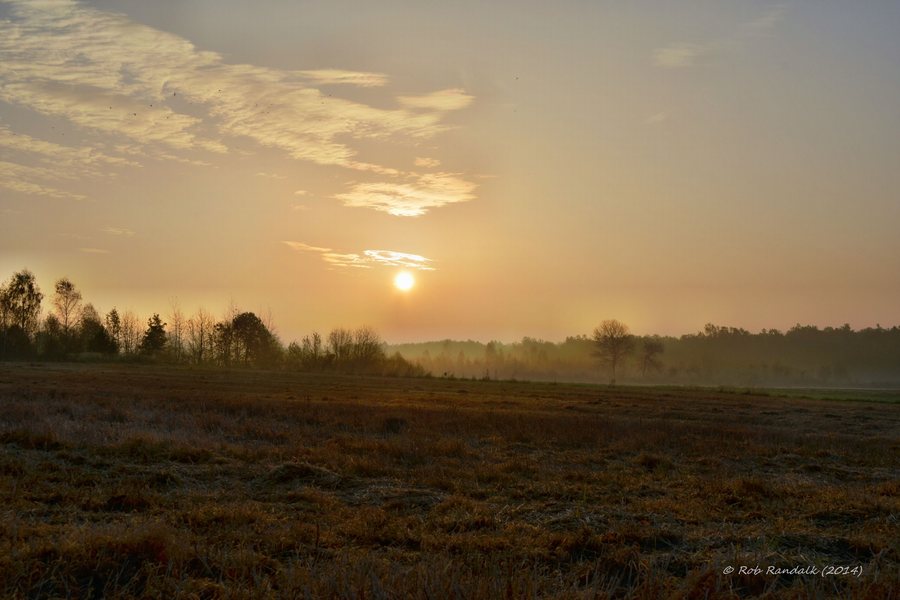 File:Niedrzwica Duża - panoramio (21).jpg
Photo: Rob Randalk Jurek via Wikimedia Commons, CC BY-SA 3.0
Cycling route and historical connection
The GREENWAYS cycling route passes through Niedrzwica Duża and was established in 2024. The route description lists the ruins of the Dłuski manor house and the remains of the park as its first historical site. This makes the route more than just a cycling attraction; it also has a clearly identified historical connection. You can combine both interests when planning your trip without conflating them: the cycling route represents the journey through the town, while the Dłuski remains provide the historical connection. If you are weighing an active cycling holiday against a culture-focused trip, Niedrzwica Duża offers two specific points of interest to help you decide.
The Dłuski complex and its historical period
The remains of the Dłuski manor house and park complex date from the second half of the 18th century to the first half of the 19th century. This dating spans the turn of the century and places the complex within a longer historical period, rather than assigning it a single construction year. The complex also includes estate ponds. The historic site therefore comprises several elements: manor house remains, park remains and ponds. It is particularly important to understand that the Dłuski connection encompasses not only the manor house, but also the park and estate ponds.
The railway station building as a more recent historical connection
The railway station building dates from the interwar period and is considered to be in a seriously neglected state. It therefore represents a different period and type of building from the Dłuski complex, whose remains date from the late 18th to the early 19th century. Anyone wishing to compare local history can clearly distinguish these two periods: the manor house and park with estate ponds on the one hand, and the interwar railway station building on the other. The latter broadens the historical perspective with a building from a later era.
Paszteciki and regional cuisine
At the level of the associated municipality, paszteciki filled with cabbage and mushrooms are part of the culinary traditions of the Niedrzwicka region. The local bakery of the Gminna Spółdzielnia is associated with this pastry as its supplier. This makes regional cuisine tangible through a specific product: its filling is named, rather than being a general recommendation to try Polish specialities. If you include food in your travel plans, this is a specific culinary point of interest alongside the cycling route and architectural history.
Discover more destinations
Jabłonna, Motycz, Stary Gaj, Wólka, Radawczyk, Wojciechów, Tomaszowice-Kolonia, Bronice-Kolonia
For the broader travel overview: Powiat Lubelski.

