
Leśna Podlaska: Sanctuary, History and Forest Nature
Accommodation in Leśna Podlaska
Leśna Podlaska combines a precisely dated religious history with distinctive natural features. At its centre are the Parish Church of the Nativity of the Blessed Virgin Mary and Saints Peter and Paul, the Pauline monastery, a triangular market square and an adjoining green space. The village’s natural surroundings include the Chmielinne forest nature reserve and the Kołowierz forest area, located to the west along the Klukówka River. The place can therefore be explored from two perspectives: its religious heritage and its forest and protected-area landscape.
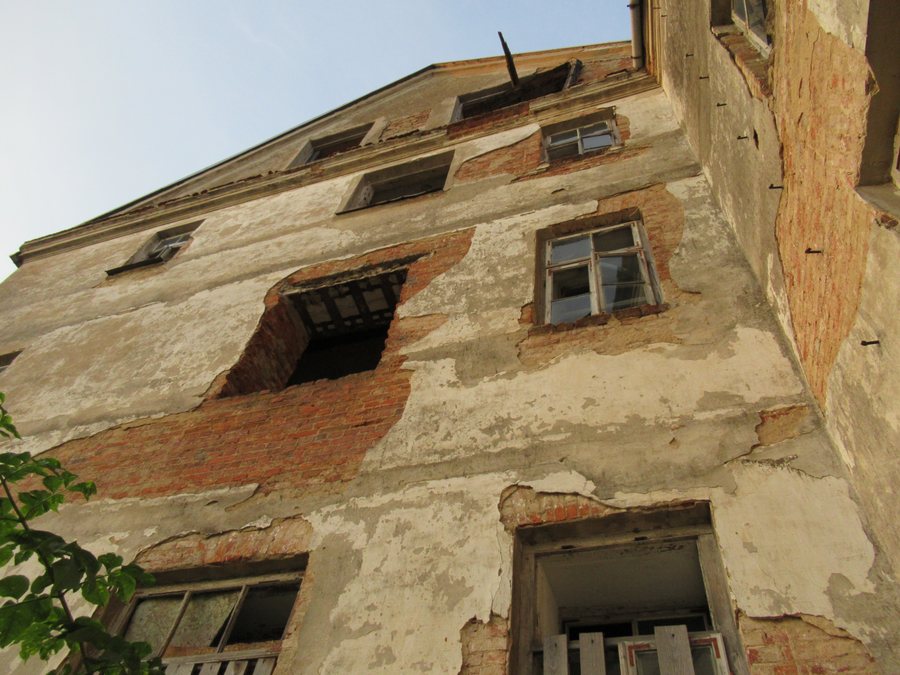 File:Lesna-Podlaska-ruins-180902-1.jpg
Photo: Grzegorz W. Tężycki via Wikimedia Commons, CC BY-SA 4.0
Sanctuary and Religious History
A major historical turning point came in 1706, when Swedish troops looted the Parish Church of the Nativity of the Blessed Virgin Mary and Saints Peter and Paul, as well as the Pauline monastery in Leśna Podlaska. On 8 September 1758, the sanctuary church was consecrated under the dedication of the Nativity of the Blessed Virgin Mary and Saints Peter and Paul. In 1984, the church was elevated to the status of a minor basilica.
The Chapel of the Apparition of the Miraculous Image was built in 1718 at the traditional site of the apparition and still stands today. Its construction date, the church’s consecration and its later elevation mark different stages: the chapel is associated with a traditional apparition, while the dedication names the church’s patronage.
The Marian image in the sanctuary is a relief carved from fieldstone. It measures 29.3 centimetres wide, 31.4 centimetres high and 4.6 centimetres thick, and weighs 9.5 kilograms. Alongside the history of the buildings, attention is drawn to a single work: its material and precise measurements describe the relief in concrete terms.
Market Square, Green Space and Historic Park
The triangular market square and adjoining green space are distinctive features of the centre. The 3.5-hectare historic park is also located there. It lies behind the 17th-century building of the Sanctuary of Our Lady of Leśna (Matki Bożej Leśniańskiej) and the Wincenty Witos Agricultural Education Centre School Complex (Zespół Szkół Centrum Kształcenia Rolniczego im. Wincentego Witosa).
An EU-funded project aims to create a new, comprehensive tourist area in the park by the end of 2027. A network of educational trails is also planned. This includes an almost 3.6-kilometre walking and cycling route, intended to lead from the village centre towards the nearby Chmielinne nature reserve. The plans therefore cover both the historic park and a proposed route towards the protected area.
Forest Reserve and Natural Monuments
The Chmielinne forest nature reserve is under partial protection, covers 67.2 hectares and was established in 1967. It lies in the central part of the municipality, within the village of Leśna Podlaska. The Biała Podlaska–Stara Kornica regional road runs across it. Its protection status, area and road layout describe the reserve from different perspectives.
In the western part of the village, the Kołowierz forest area (Las Kołowierzch) lies along the Klukówka River, with alder trees predominating. It is home to five natural monuments: three pedunculate oaks, including Dąb Miłości, and two common ash trees. The village’s natural features thus differ: Chmielinne is described as a partially protected forest area with a clearly specified size, while Kołowierz is distinguished by its river setting, alder woodland and individual natural monuments.
If you are considering Leśna Podlaska as a travel destination, these themes offer a first guide: religious history and buildings on one side, forest landscapes and protected individual trees on the other. This can help you decide which side of the place best matches your travel interests.
Discover more destinations: Bubel-Łukowiska, Biała Podlaska, Kukuryki, Międzyrzec Podlaski, Kodeń, Czosnówka, Wisznice, Gnojno.
For the broader travel overview: Bialski.

