
Spała
Accommodation in Spała
Spała reveals itself in many different ways: the Pilica, a park and historic buildings all shape the town’s history. When planning your trip, you can consider whether you are most interested in the landscape, places of remembrance and architecture, or a trip on the river. This makes Spała more tangible as a travel destination without reducing its individual sights to a single theme.
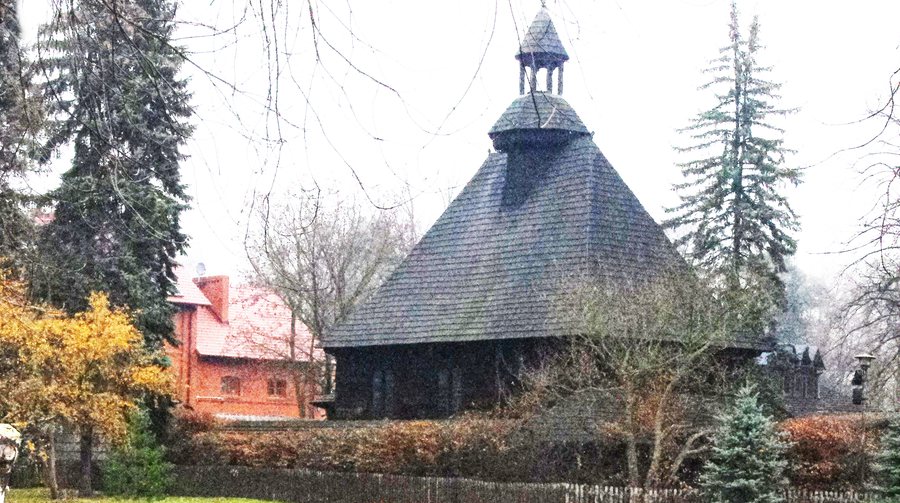 File:Kościół Najświętszej Maryi Panny Królowej Korony Polski w Spale (3) panorama.jpg
Photo: Mateusz Opasiński via Source, CC BY-SA 3.0
The Pilica and the park
A notable link to the Pilica is the bridge in Spała. It is listed in the register of monuments, providing a concrete historical connection to the river. The new landing stage in Spała is located near the bridge. It serves as a starting point for companies that organise Pilica river trips. If a river trip is among your interests, this connection is a useful reference for your further planning.
Green space is also part of the townscape: Spała has a 12-hectare park. Fragments of a park design created in the English style around the turn of the 20th century have been preserved. Its size and the surviving design features give the park its own historical dimension. Spała is also located in Spalski Landscape Park. The landscape and the history of the park thus offer an independent way to explore the town, alongside its buildings.
Historic buildings and places of remembrance
The 36-metre-high brick water tower in Spała is a surviving feature of the hunting residence of Tsar Alexander III. Its height, building material and connection to the residence make it a striking testament to the town’s history. A life-size bison statue is another reminder of the tsarist era. It was cast in iron by the Ogariow factory in Saint Petersburg, commissioned by Tsar Alexander II. The tower and statue represent different historical details: one is a feature of the hunting residence; the other is an artfully cast animal motif.
Near the centre of Spała is the Grotto of Saint Hubert, a stone monument associated with the hunting grounds of Tsar Alexander III. Those interested in the history of the hunting residence can consider this monument another point of reference. The Church of Our Lady Queen of the Polish Crown adds sacred architecture to the picture: it was consecrated in August 1923 and is considered a monument of sacred architecture.
The Dom Pamięci Walki i Męczeństwa Leśników i Drzewiarzy Polskich (Museum of Remembrance of the Struggle and Martyrdom of Polish Foresters and Woodworkers) is dedicated to commemorating Polish foresters and woodworkers. Its three rooms contain photographs, flags, urns and other mementos. Alongside the architectural landmarks, it offers a distinct focus for anyone interested in the culture of remembrance.
Events and finding accommodation
The Spalski Antique and Handicraft Fair is one of Spała’s three regularly held events with a nationwide profile. If you are interested in the fair, it could be a special reason to include Spała in your travel plans. The Olympic Preparation Centre in Spała provides a specific detail about accommodation: it also traditionally hosts individual guests. When looking for a hotel, holiday apartment or holiday home, you can use the topics mentioned above as a guide and decide which aspects of the town are most relevant to your trip.
More towns in Poland: Ujazd, Inowłódz, Józefów Stary, Czerniewice, Smardzewice, Tomaszów Mazowiecki, Kanice.
For the overarching travel overview: Tomaszowski.

