
Słupca: City History Between Street Plan and Church
Accommodation in Słupca
Słupca offers a way to explore the city’s history, from its traditional street layout to individual historical landmarks. The spindle-shaped street plan and 19th-century houses reveal the built environment, while the Municipal Tourist Route and St. Lawrence Church offer different perspectives. This mix is especially interesting for planning your trip if you would like to include a range of historical viewpoints in your stay, rather than focusing on just one site.
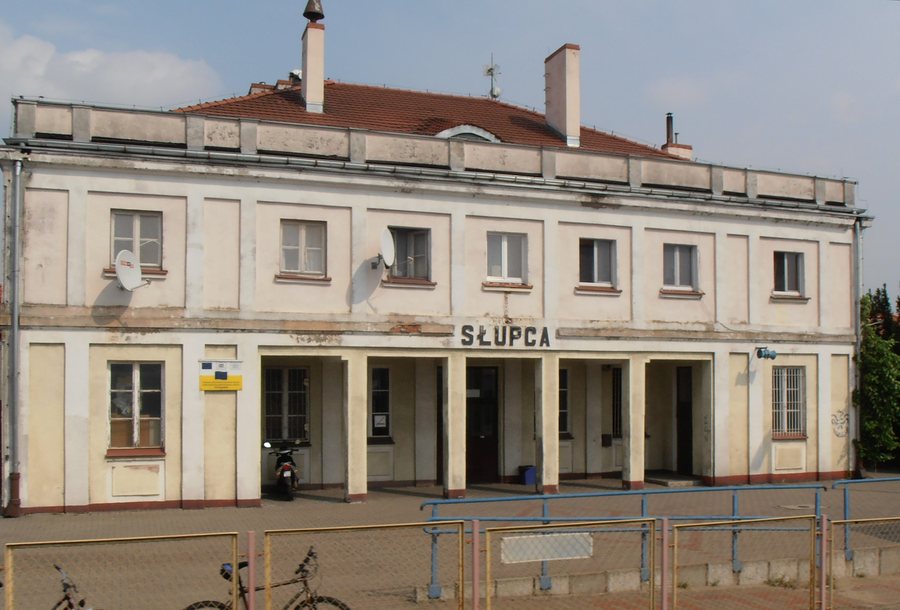
A Cityscape with Traces of History
Słupca has preserved its historic spindle-shaped street plan and several buildings from the 19th century. The city’s history is reflected both in the layout of its streets and in individual houses. One of these is a historic house on Kościuszki Street, which formerly served as a post inn. Two different scales are therefore on display: the street plan reveals the town’s traditional layout, while the house tells the story of a specific former use. Those interested in historic places will find both a connection to the urban fabric and an individual building with its own history.
Finding Your Way Around the City
The Municipal Tourist Route comprises 29 information boards distributed throughout the city. It offers a different perspective from the historic house on Kościuszki Street or the church: rather than a single building, this approach involves information at various points across the city. This distinction can help with your trip planning when deciding whether to get to know Słupca through a specific historical example or by following a citywide route. The route complements the architectural landmarks with its own way of providing orientation.
Historical Details in St. Lawrence Church
The late Gothic St. Lawrence Church is associated with two specific historical details. It has a late Renaissance bishop’s throne from the beginning of the 17th century, which was converted into a confessional. This is separate from the discovery of Poland’s oldest clock mechanism, which took place in the church in 1998. These details represent different aspects of history: the converted bishop’s throne tells of an item of church furnishings being put to a new use, while the clock mechanism represents a discovery. The dates also refer to different things: the beginning of the 17th century relates to the bishop’s throne, and 1998 is the year the clock mechanism was discovered. For planning around a particular theme, this helps distinguish between architectural style, the history of an object, and a dated event.
Selected Events in the City’s History
The poster exhibition “Słupca. Faktycznie tak było” presents selected events from the city’s history. Its focus is therefore on events, while the street plan, historic house, and church furnishings offer other perspectives on the past. If you would like to include the exhibition in your plans, check before traveling whether it is on view locally.
Discover More Destinations
Discover more destinations: Powidz, Wólka, Zagórów, Orchowo, Ostrowite, Polanowo, Szydlowiec, Żelazków
To the broader travel overview: Powiat Słupecki.

