
Dwikozy: Literature, History and Architecture
Accommodation in Dwikozy
Dwikozy offers several distinct reasons to visit, from literary history and sacred architecture to an annual commemorative tradition. For planning, it helps to keep these themes separate: the literary connection leads to Wiesław Myśliwski, two churches differ in their architectural styles and locations, and the Puławiaków March links memorial sites in Słupcza, Góry Wysokie and Dwikozy.
Literature and biographical traces
The Świętokrzyski Literary Trail passes through Dwikozy. This literary route follows in the footsteps of writers and literary characters across the region. One particularly direct connection to the area is Wiesław Myśliwski: he grew up in Dwikozy in the home of his grandfather, Józef Gałęza. As a child, he often returned there and listened to the stories told by older residents. He later worked these stories into his novels, often using the local dialect. For readers interested in the connection between biography and literature, childhood, oral storytelling and literary adaptation come together here.
Another biographical trace can be found at the local cemetery in Dwikozy, where Myśliwski’s parents are buried. This cemetery should not be confused with the cemetery in Góry Wysokie, which is part of the Puławiaków March.
Commemoration and the Puławiaków March
The Puławiaków March takes place every year in early February. It begins in Słupcza and leads to the cemetery in Góry Wysokie, where 28 students from Puławy who fell in battle are buried. The march then continues to the Monument to the January Insurgents in Dwikozy, its endpoint. If you plan to travel specifically for this event, check the information about this year’s arrangements in advance.
The literary route on the Świętokrzyski Literary Trail and the February march appeal to different interests: one focuses on writers and literary characters, the other on a set sequence of commemorative sites. This distinction can help you choose the focus that best suits your travel plans.
Sacred architecture in Dwikozy and Góry Wysokie
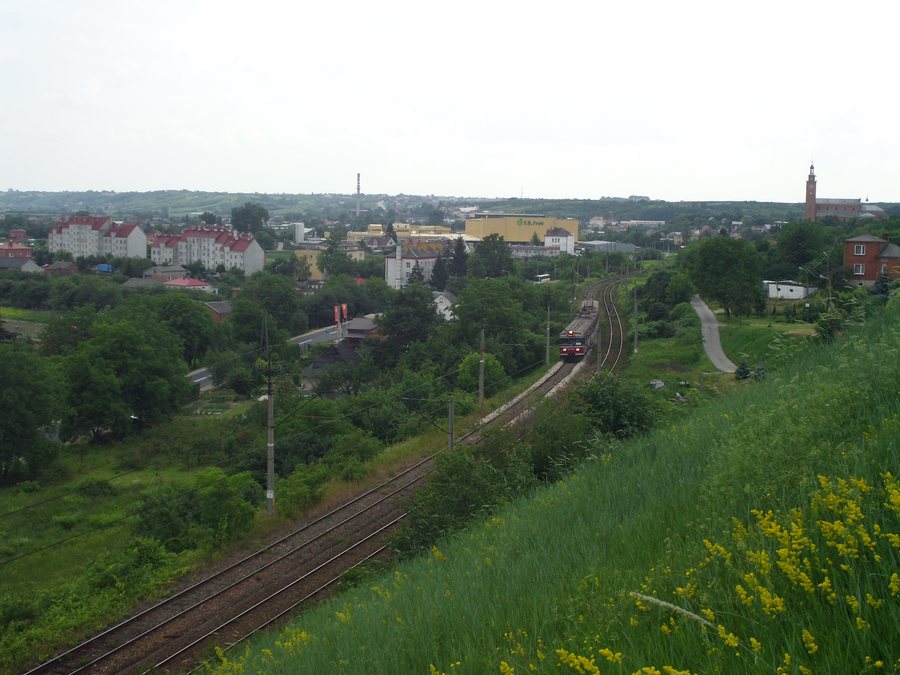
In Dwikozy stands the parish church of St Andrew Bobola and St Anthony the Hermit. This modern brick building has Romanesque influences. A different architectural style can be found elsewhere in the municipality, in Góry Wysokie, where the late Baroque Church of St Vitus and Our Lady of Sorrows stands. It is considered the municipality’s most outstanding monument of sacred architecture. The two churches thus differ both in location and in their documented architectural features.
Nature in the surrounding area
The Panieńska Góra nature reserve, with its steppe vegetation, lies near Dwikozy. This offers a nature-focused option alongside literature, churches and commemoration. By matching your accommodation search to the interests you want your trip to reflect, you can weigh up these different themes.
Discover more destinations
Discover more destinations: Wielogóra, Konary, Koprzywnica, Sandomierz, Kolonia Gałkowice, Klimontów, Ocinek, Samborzec
See the broader travel overview: Powiat Sandomierski.

