
Discover Iwaniska
Accommodation in Iwaniska
You can get to know Iwaniska through its architecture and history. The Parish Church of St. Catherine faces east and is laid out as a three-aisled hall church with a set-back chancel; its massive west tower defines the town’s silhouette. Another historical landmark is the Jewish cemetery in Iwaniska, where victims of the Holocaust were buried during the Second World War. These places offer different subjects to include in your travel plans for Iwaniska.
The Parish Church of St. Catherine: orientation and design
Several architectural features come together in the Parish Church of St. Catherine. Its eastward orientation refers to the direction the building faces. The term “three-aisled hall church,” by contrast, describes its spatial layout: three aisles form the hall, while the chancel is set back from it. In this way, the church’s orientation and interior layout can be considered as two distinct aspects of its design.
The massive west tower is also part of the church’s appearance. It defines the silhouette of Iwaniska and complements the details about the layout and orientation with a feature of its exterior. Those interested in architecture will therefore find more here than a single type of design: the description covers the building’s orientation, its division into aisles and chancel, and the effect of the tower on the townscape.
These features help you understand the church from different perspectives without reducing it to a single distinctive feature. Its eastward orientation concerns the building’s alignment; the three aisles and set-back chancel concern its spatial layout; and the west tower shapes the silhouette. Together, they provide a specific architectural way to explore Iwaniska.
The Jewish cemetery and the history of Iwaniska
The Jewish cemetery in Iwaniska lies outside the built-up area, near the road to the village of Podzaldowo-Zielonki. This describes the site precisely: it is not within the built-up area, but outside it and close to the road leading to the named village. The cemetery’s location and its history are two distinct aspects.
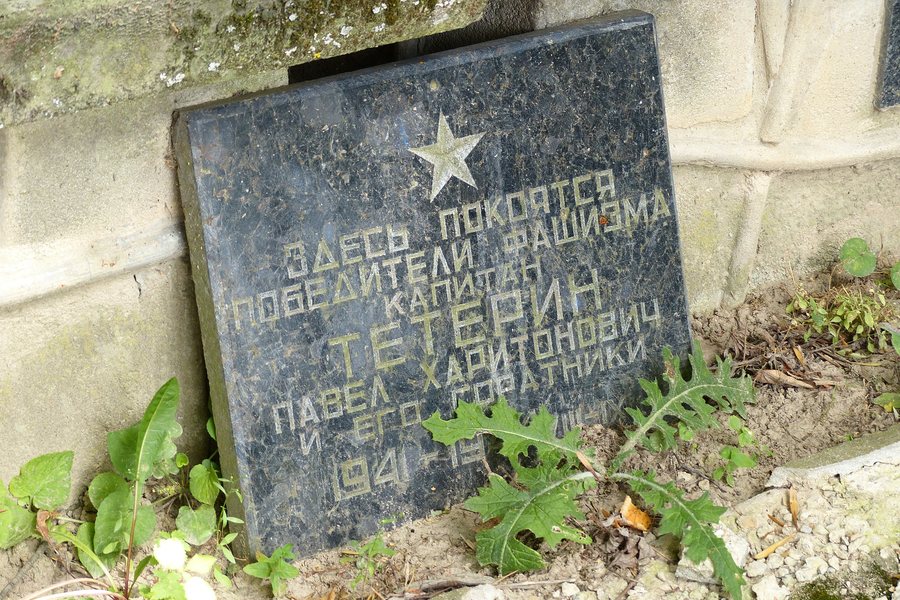
Victims of the Holocaust were buried in the cemetery during the Second World War. This historical fact gives the site a solemn connection to the history of the Jewish population and to the Holocaust. When exploring Iwaniska, you can therefore take into account both the architectural history of the parish church and the remembrance of the people buried there. These are separate subjects and should not be conflated.
This provides a clear thematic guide for your plans: the parish church offers a specific architectural perspective, while the cemetery offers a historical connection. Information about the cemetery’s location also helps you place it geographically, while details of the burials establish its historical context. This will help you decide which of these distinct perspectives matters for your trip to Iwaniska.
Discover more destinations: Opatów, Ćmielów, Jakubowice, Ożarów, Podole, Wyszmontów, Skolankowska Wola.
Return to the main travel overview: Opatów.

